As a homeowner, you understand the importance of maintaining a beautiful and safe outdoor space. One crucial aspect of this is tree trimming. According to a study by the Arbor Day Foundation, regular tree trimming can increase property value by up to 10%. In this article, we will delve into the world of tree trimming, exploring its benefits, types, and best practices. Whether you’re a DIY enthusiast or looking to hire a professional tree trimming service in Utah, Nevada, or Texas, this guide is for you.
Tree trimming is essential for homeowners, as it not only enhances the aesthetic appeal of your yard but also ensures safety and property value. Common reasons for tree trimming include removing dead or diseased branches, improving sunlight penetration, and reducing the risk of branch failure. In this comprehensive guide, we will cover the benefits of regular tree trimming, types of tree trimming, DIY safety precautions, and how to choose a professional tree trimming service.


Regular tree trimming offers numerous benefits for homeowners. One of the most significant advantages is the reduced risk of branch failure and property damage. According to a study by the International Society of Arboriculture, proper tree trimming can reduce the risk of branch failure by up to 50%. Additionally, regular tree trimming improves tree health and longevity, enhances curb appeal, and increases sunlight penetration, which can lead to reduced energy costs.
In fact, a study by the U.S. Department of Energy found that proper tree placement and trimming can reduce cooling costs by up to 25%. Furthermore, regular tree trimming can also improve air quality, reduce noise pollution, and create a more peaceful outdoor environment.
There are several types of tree trimming techniques, each with its unique benefits and applications. Pruning involves removing select branches or stems to maintain or improve the tree’s structure and appearance. Thinning involves selectively removing branches to allow more sunlight to penetrate and improve air circulation. Reduction involves reducing the size of the tree by cutting back the tips of the branches.
When to use each technique depends on the specific needs of the tree and the desired outcome. For example, pruning is often used to remove dead or diseased branches, while thinning is used to improve sunlight penetration and reduce the risk of branch failure. Reduction is often used to reduce the size of a tree that has become too large for its surroundings.
A successful tree trimming project in Utah, for instance, involved pruning a large oak tree to remove dead branches and improve its structure. The result was a healthier, more aesthetically pleasing tree that improved the overall appearance of the yard.

If you’re considering DIY tree trimming, it’s essential to follow safety precautions and best practices to avoid injury and property damage. Personal protective equipment (PPE) is crucial, including gloves, safety glasses, and a hard hat. Additionally, it’s essential to assess tree stability and identify potential hazards before beginning the trimming process.
A step-by-step guide to pruning small branches and shrubs includes:
It’s also essential to follow proper cutting techniques, including making clean cuts and avoiding tearing the bark. If you’re unsure about any aspect of the process, it’s always best to consult a professional tree trimming service.
When hiring a professional tree trimming service, it’s essential to look for certifications, insurance, and liability coverage. The International Society of Arboriculture offers a certified arborist program that ensures professionals have the necessary knowledge and skills to perform tree trimming safely and effectively.
Additionally, it’s essential to check for insurance and liability coverage, as this will protect you and your property in the event of an accident. Red flags to watch out for include unqualified or unlicensed services, as these can put you and your property at risk.
At TruCo Services, we pride ourselves on our certified arborists and comprehensive insurance coverage. We offer professional tree trimming services in Utah, Nevada, and Texas, and our team is dedicated to providing safe and effective solutions for your tree trimming needs.

Different tree types require unique trimming techniques. For example, palm trees require regular trimming to remove dead fronds and prevent pest infestations. Fruit trees, on the other hand, require pruning to promote fruit production and maintain their shape.
Evergreen trees, such as pine and spruce, require regular trimming to maintain their shape and promote healthy growth. It’s essential to understand the specific needs of your tree type to ensure effective and safe trimming.
A study by the U.S. Forest Service found that proper tree trimming can improve the overall health and longevity of trees. By understanding the specific needs of your tree type, you can ensure that your tree trimming efforts are effective and safe.
Winter weather can have a significant impact on tree stability and branch failure risk. Snow and ice can weigh down branches, causing them to break or fail. Additionally, frozen soil can make it difficult to remove snow and ice from trees.
To ensure winter safety, it’s essential to trim trees before the winter season. This can help reduce the risk of branch failure and property damage. Additionally, it’s essential to have a snow removal plan in place, including removing snow and ice from trees and roofs.
At TruCo Services, we offer snow removal solutions for Utah, Nevada, and Texas. Our team is dedicated to providing safe and effective solutions for your winter snow removal needs.
Tree trimming regulations and ordinances vary by location, but it’s essential for homeowners to understand the rules and regulations in their area. In Utah, for example, the State of Utah has regulations in place for tree trimming and removal.
Homeowners’ associations (HOAs) may also have rules and regulations regarding tree trimming. It’s essential to understand these rules and regulations to avoid fines and penalties.
At TruCo Services, we are familiar with the regulations and ordinances in Utah, Nevada, and Texas. We can help you navigate the rules and regulations in your area and ensure that your tree trimming efforts are compliant.
The cost of tree trimming can vary depending on several factors, including tree size, location, and complexity. Additionally, equipment and labor costs can impact pricing.
On average, the cost of tree trimming can range from $200 to $1,000 or more, depending on the specific needs of the tree and the location. It’s essential to get multiple estimates from different tree trimming services to compare prices and services.
At TruCo Services, we offer competitive pricing and comprehensive tree trimming services in Utah, Nevada, and Texas. Our team is dedicated to providing safe and effective solutions for your tree trimming needs.
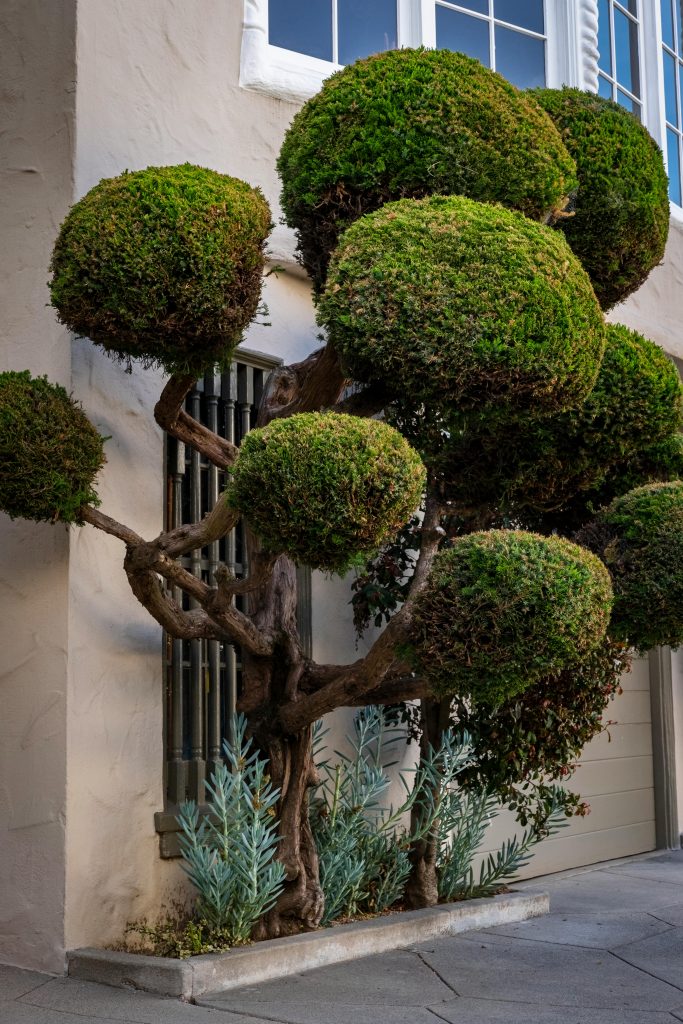
In conclusion, tree trimming is an essential aspect of maintaining a beautiful and safe outdoor space. By understanding the benefits of regular tree trimming, types of tree trimming, and best practices, you can ensure that your tree trimming efforts are effective and safe.
If you’re looking for a professional tree trimming service in Utah, Nevada, or Texas, look no further than TruCo Services. Our team is dedicated to providing safe and effective solutions for your tree trimming needs. Contact us today to schedule a consultation and take the first step towards a beautiful and safe outdoor space.

Depending on tree type and growth rate, trimming may be necessary every 1-3 years.
Yes, but it’s essential to consider snow and ice impact on tree stability and branch failure risk.
Pricing varies depending on tree size, location, and complexity, but expect to pay between $200-$1,000 or more.
Yes, but it’s crucial to follow safety precautions and best practices to avoid injury and property damage.
Look for certifications, insurance, and liability coverage, and be wary of unqualified or unlicensed services.