Poison ivy is a common problem for many homeowners, causing skin irritation and damaging outdoor spaces. Removing poison ivy requires careful planning, safety precautions, and effective methods. In this article, we’ll cover the essential steps for safe and effective poison ivy removal.
According to a study by the CDC, over 85% of people are allergic to urushiol, the oil found in poison ivy. Proper removal is crucial to prevent exposure and ensure safety.
Poison ivy removal is not only essential for safety but also for maintaining the beauty of your outdoor space. By removing poison ivy, you can prevent damage to trees, shrubs, and other plants, and create a more enjoyable outdoor area.
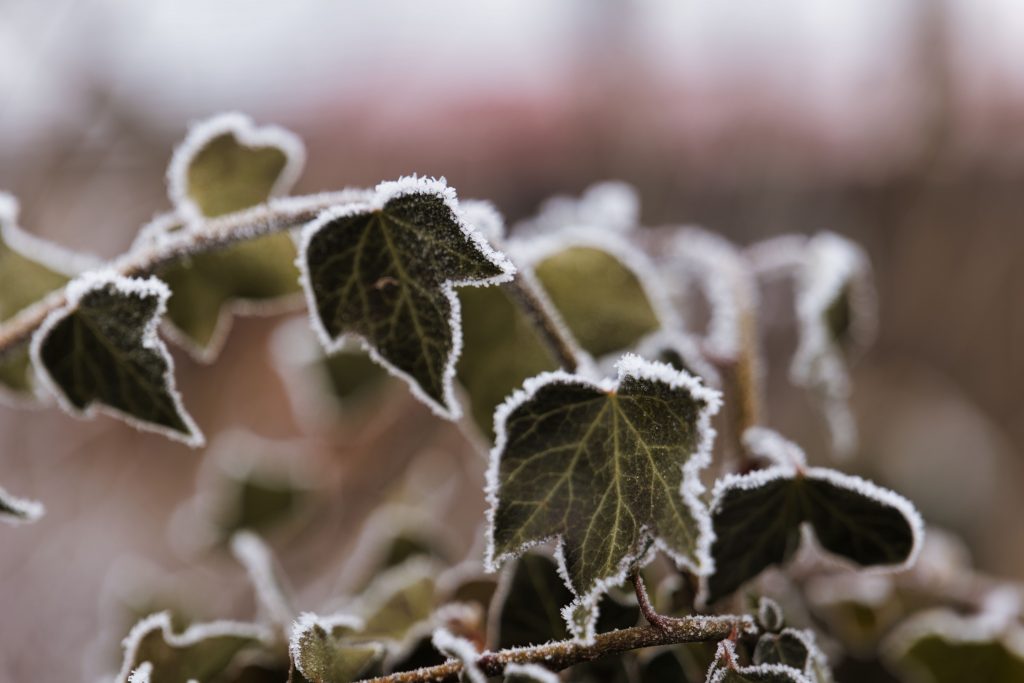

Poison ivy is a plant that contains urushiol oil, which causes skin irritation and allergic reactions. It’s essential to identify poison ivy correctly to ensure safe removal.
Poison ivy has compound leaves with three leaflets, each 1-4 inches long. The leaves are typically shiny green but can turn red in the fall. The stems and roots of poison ivy also contain urushiol oil, making them hazardous to touch.
According to a study by the National Institutes of Health, urushiol oil can remain active on surfaces for up to five years, making it essential to take precautions when handling poison ivy.
Before removing poison ivy, it’s essential to take safety precautions to prevent exposure. Wear long sleeves, pants, and gloves to prevent skin contact, and wash any exposed skin thoroughly with soap and water.
Create a safe removal zone by clearing the area of any debris or obstacles. Use a tarp or plastic sheeting to contain the poison ivy and prevent it from spreading.
In case of accidental exposure, wash the affected area immediately with soap and water. If the reaction is severe, seek medical attention.

There are several methods for removing poison ivy, including manual removal, herbicides, and natural methods.
Manual removal involves digging up the roots and stems of the poison ivy plant. This method is effective but requires caution to avoid exposure.
Herbicides can be used to kill poison ivy, but it’s essential to choose a herbicide that is safe for the environment and other plants.
Natural methods, such as using vinegar or boiling water, can also be effective for removing poison ivy.
Herbicides can be an effective method for removing poison ivy, but it’s essential to weigh the pros and cons.
Pros of using herbicides include their ability to kill poison ivy quickly and effectively. However, cons include the potential for environmental damage and harm to other plants.
According to a study by the EPA, herbicides can contaminate soil and water, making it essential to choose a herbicide that is safe for the environment.

Natural and organic methods can be an effective and environmentally friendly way to remove poison ivy.
Vinegar-based solutions can be used to kill poison ivy, and boiling water can be used to scald the plant.
Other natural methods, such as using salt or soap, can also be effective for removing poison ivy.
Preventing poison ivy regrowth and re-infestation requires regular maintenance and landscaping techniques.
Removing roots and underground stems can help prevent regrowth. Mulching and landscaping techniques, such as using a weed barrier, can also help prevent poison ivy from growing back.
According to a study by the Gardening Know How, regular yard maintenance can help prevent poison ivy from growing back.
Poison ivy removal can be challenging in specific situations, such as removing poison ivy from trees and shrubs or near water sources.
Removing poison ivy from trees and shrubs requires caution to avoid damaging the plant. Using a herbicide or natural method can be effective, but it’s essential to take precautions to avoid exposure.
Near water sources, it’s essential to use a herbicide that is safe for aquatic life.
In some cases, it’s essential to call a professional for poison ivy removal, such as for large infestations or difficult-to-reach areas.
TruCo Services offers professional landscaping and poison ivy removal solutions in Utah, Nevada, and Texas.
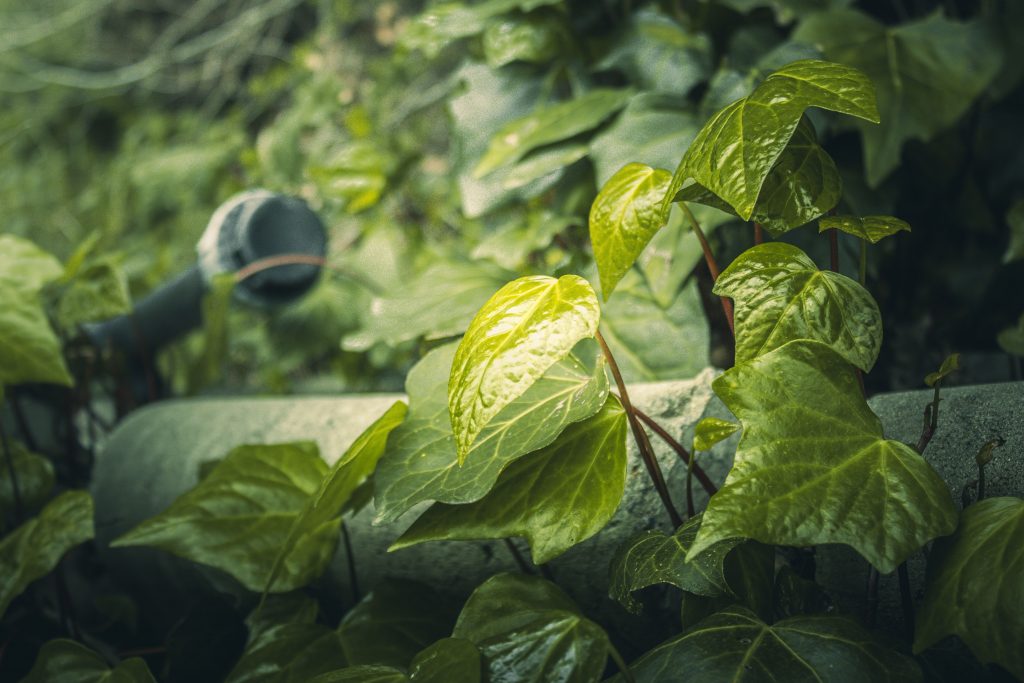
Poison ivy removal requires careful planning, safety precautions, and effective methods. By following the steps outlined in this article, you can safely and effectively remove poison ivy from your yard.
Remember to take safety precautions, choose the right removal method, and prevent regrowth and re-infestation.
For professional poison ivy removal solutions, contact TruCo Services today.

The best way to remove poison ivy is through a combination of manual removal, herbicides, and natural methods. It’s essential to take safety precautions, including wearing protective gear and washing exposed skin thoroughly.
No, bleach is not an effective or recommended method for killing poison ivy. It can damage the environment and harm skin and eyes.
Poison ivy can take several days to die after removal, depending on the method used. It’s crucial to monitor the area and repeat treatments as necessary.
Yes, poison ivy can be removed in the winter, but it’s essential to take extra precautions due to the potential for hidden roots and stems.
Preventing poison ivy from growing in your yard requires regular maintenance, including removing weeds, mulching, and using landscaping techniques that prevent regrowth.